Zanzibar
Zanzibar: beaches, Stone Town and choosing the right coast
Which Zanzibar beach suits you, why the tide matters more than the brochure admits, what to do in Stone Town, and how to combine the island with a safari.
Zanzibar is sold as a single beach with a single palm tree, which does it no favours. It is an archipelago with a thousand years of Indian Ocean trade behind it, a UNESCO-listed old city, and coastlines that differ so much from one another that picking the wrong one can genuinely spoil a week.
The thing nobody mentions: tides
On Zanzibar's east coast the tidal range is enormous. At low water the sea retreats several hundred metres, leaving flats of seagrass and sand that are wonderful to walk on and impossible to swim in. Twice a day, every day.
Nobody is hiding this, but the photographs never show it. If your idea of a beach holiday involves walking out of your room and into the sea at any hour, you want the north of the island. If you would rather have a quieter, more beautiful beach and are happy to plan swims around a tide table, the east is lovely.
Choosing your coast
Nungwi and Kendwa — the north
Minimal tidal effect, so swimming works all day. The liveliest part of the island, with the most restaurants, bars and dive centres, and the best sunsets. Kendwa is a little calmer than Nungwi. Best for: first-timers, swimmers, anyone who wants some life around them.
Paje and Jambiani — the south-east
Long, wide, extraordinarily beautiful beaches and the kitesurfing centre of the island. Big tides. Relaxed and comparatively good value. Best for: kitesurfers, younger travellers, and anyone happy to swim on a schedule.
Matemwe and the north-east
Quiet, low-key and directly opposite Mnemba Atoll, which is the best snorkelling and diving on the island. Tidal, but the reef is right there. Best for: divers, snorkellers and people who want to see nobody.
Pongwe, Michamvi and the smaller bays
Sheltered, calm and often the most attractive water on the island. Few places to eat outside your hotel. Best for: honeymooners and anyone whose plan is to not move.
Stone Town
Give it at least one night rather than a rushed afternoon on the way to the airport. The old quarter is a UNESCO World Heritage Site — a dense maze of coral-stone alleys too narrow for cars, built on Omani, Indian, Persian and Swahili trade.
The famous carved doors are worth slowing down for: rectangular Omani doors, rounded Indian ones studded with brass spikes originally intended to stop war elephants, each one signalling the wealth and trade of the family behind it.
Worth your time:
- The Old Fort and the House of Wonders on the seafront
- Darajani market, early, when the fish is landing
- The site of the former slave market and its memorial — Zanzibar was one of East Africa's principal slave ports until 1873, and the Anglican cathedral built over the site does not soften that history
- Forodhani Gardens night market. Go hungry, eat the grilled seafood, and politely decline the "Zanzibar pizza"
- A rooftop at sunset, of which there are many
Beyond the beach
- Spice farms. Half a day tasting cloves, nutmeg, cardamom and vanilla straight off the plant. Genuinely more interesting than it sounds.
- Mnemba Atoll. The best reef around the island for snorkelling and diving.
- Jozani Forest. Home to the Zanzibar red colobus, found nowhere else on earth.
- Prison Island. Giant Aldabra tortoises, some over a century old.
- Dolphins at Kizimkazi. Worth doing only with an operator that keeps its distance rather than chasing pods, which many do. Ask us and we will point you at the right boat.
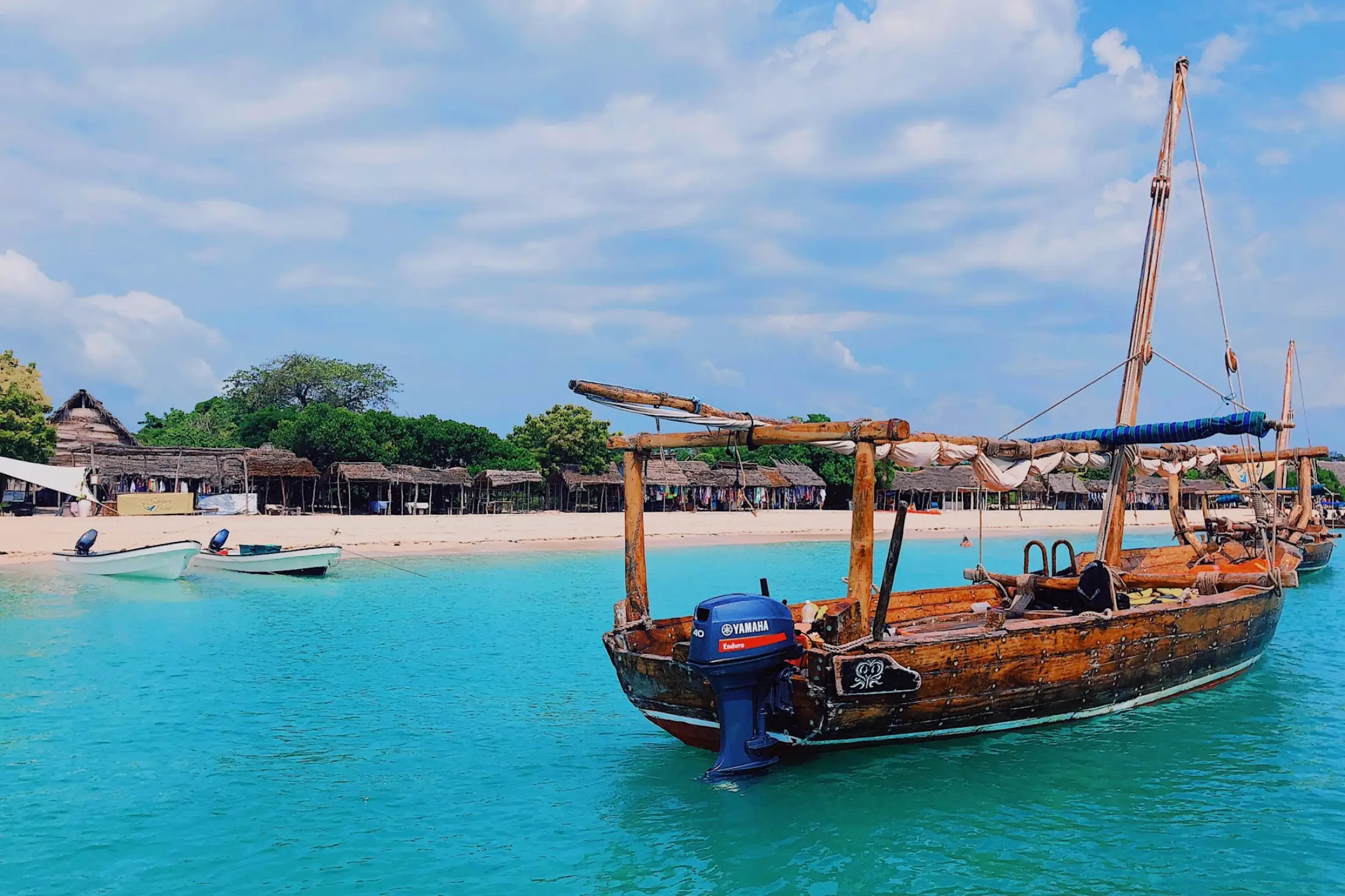
- A sunset dhow. Two hours on a traditional wooden sailing boat. Do it once.
When to go
June to October is dry, clear and reliable. December to February is hotter and equally good. Avoid April and May, when the long rains close a good number of beach hotels. The island's weather does not perfectly track the mainland's, so check both when planning a combined trip.
Practical notes
- Getting there: flights from Arusha take about 90 minutes, and there are direct services from the Serengeti's airstrips. Light aircraft limit you to around 15kg in a soft bag.
- Dress: Zanzibar is predominantly Muslim. Beachwear on the beach is fine; shoulders and knees covered elsewhere, particularly in Stone Town and during Ramadan.
- Alcohol: served in hotels and tourist restaurants, less so elsewhere.
- Money: US dollars are widely accepted; shillings are better for markets. ATMs work in Stone Town and are scarce on the beaches.
- How long: four nights minimum after a safari. Seven is better.
The classic combination
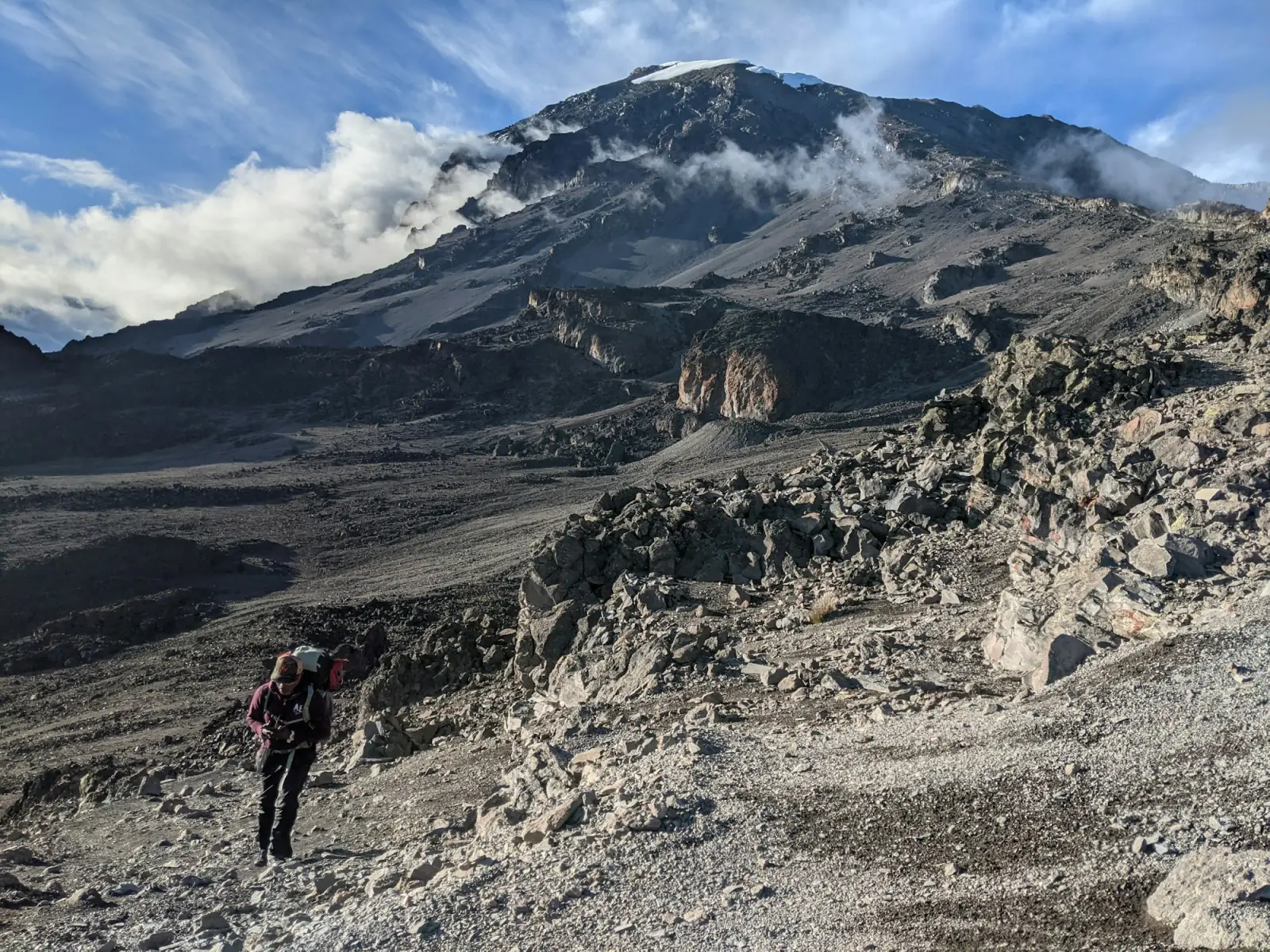
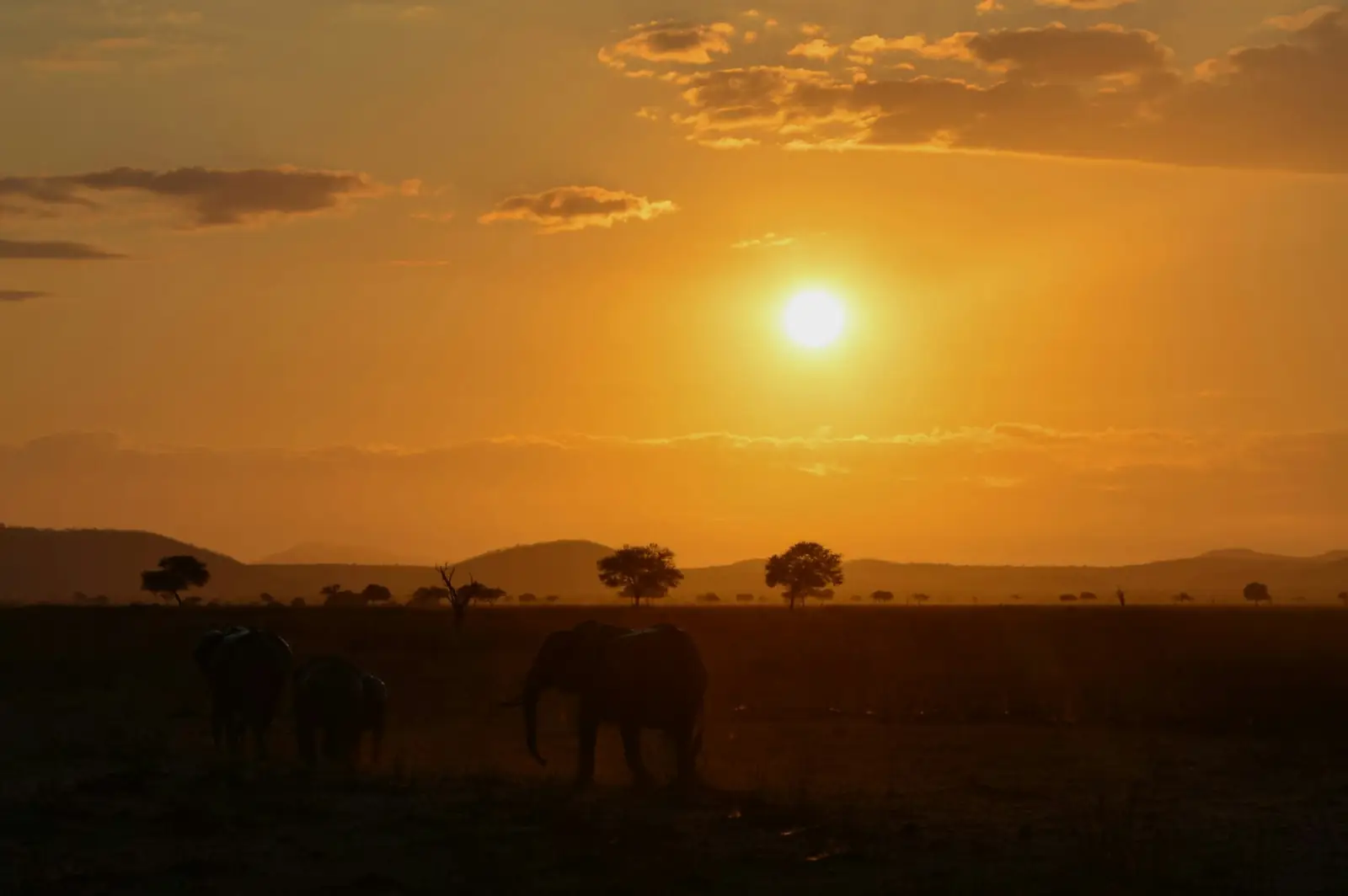
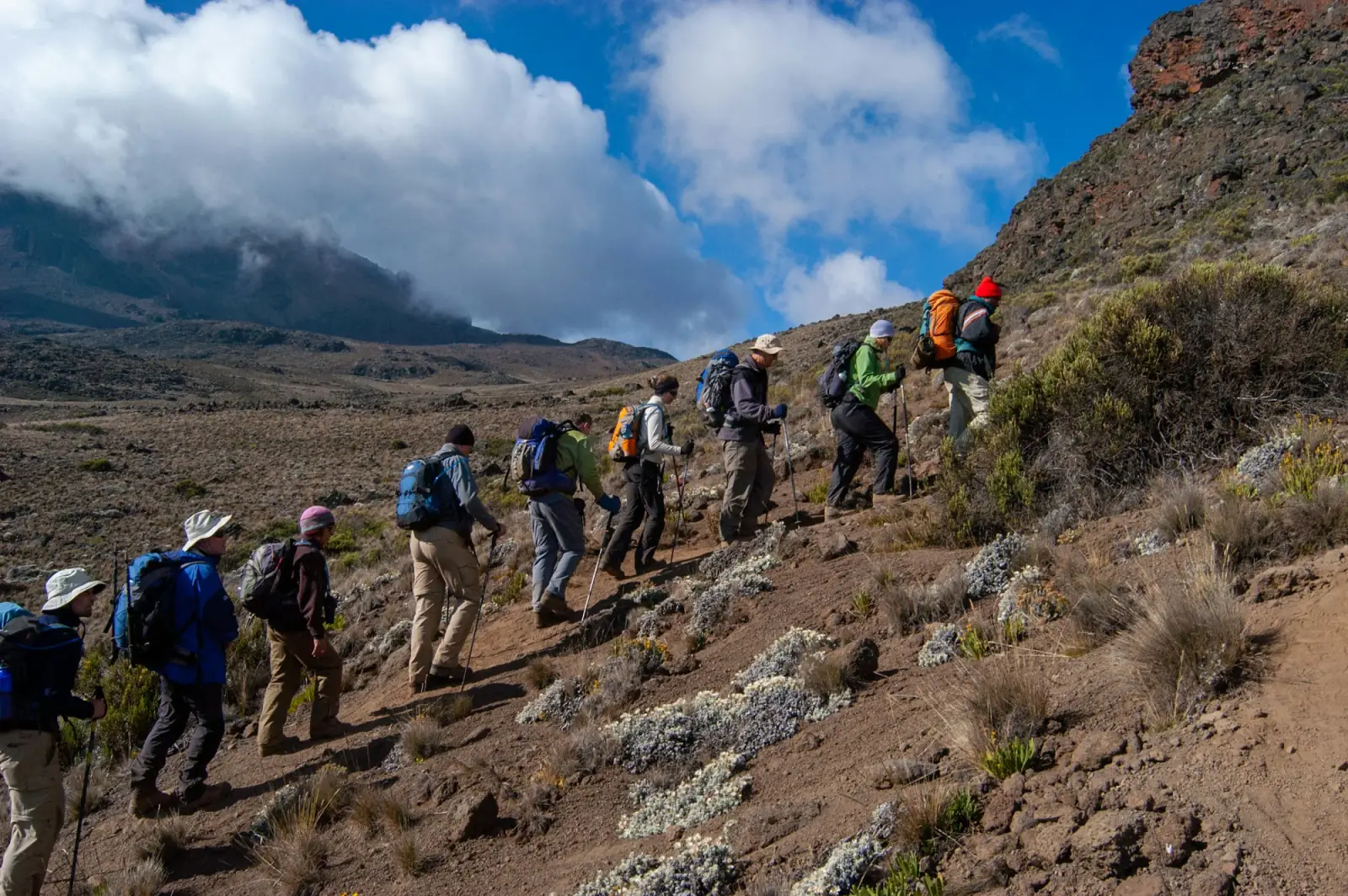
Kilimanjaro, then safari, then Zanzibar — roughly three weeks, and the reason most people who do it say it is the best trip they have taken. Climb while you are fresh, recover on the plains, and finish horizontal by the sea.