Planning
The best time to visit Tanzania: a month-by-month guide
Month by month through Tanzania's seasons: where the migration is, when to climb Kilimanjaro, when the coast is at its best, and when to travel cheaply.
Tanzania has no bad season, only different ones — and the "best" month depends entirely on whether you are climbing a mountain, following a migration, or lying on a beach. Here is the year, honestly.
The short version
- Best overall: late June to October. Dry, reliable, excellent game viewing, good climbing weather — and the busiest and most expensive time to travel.
- Best value: March, and November. Green, quiet, and considerably cheaper.
- Best for big cats: January and February, during calving on the southern plains.
- Worst for climbing: April and May, the long rains.
January – February
Hot, largely dry, and one of the finest windows of the year. The wildebeest are calving on the short-grass plains of the southern Serengeti and around Ndutu, which concentrates several hundred thousand animals into a small area and brings predators with them. If you want to see hunting, this is the month.
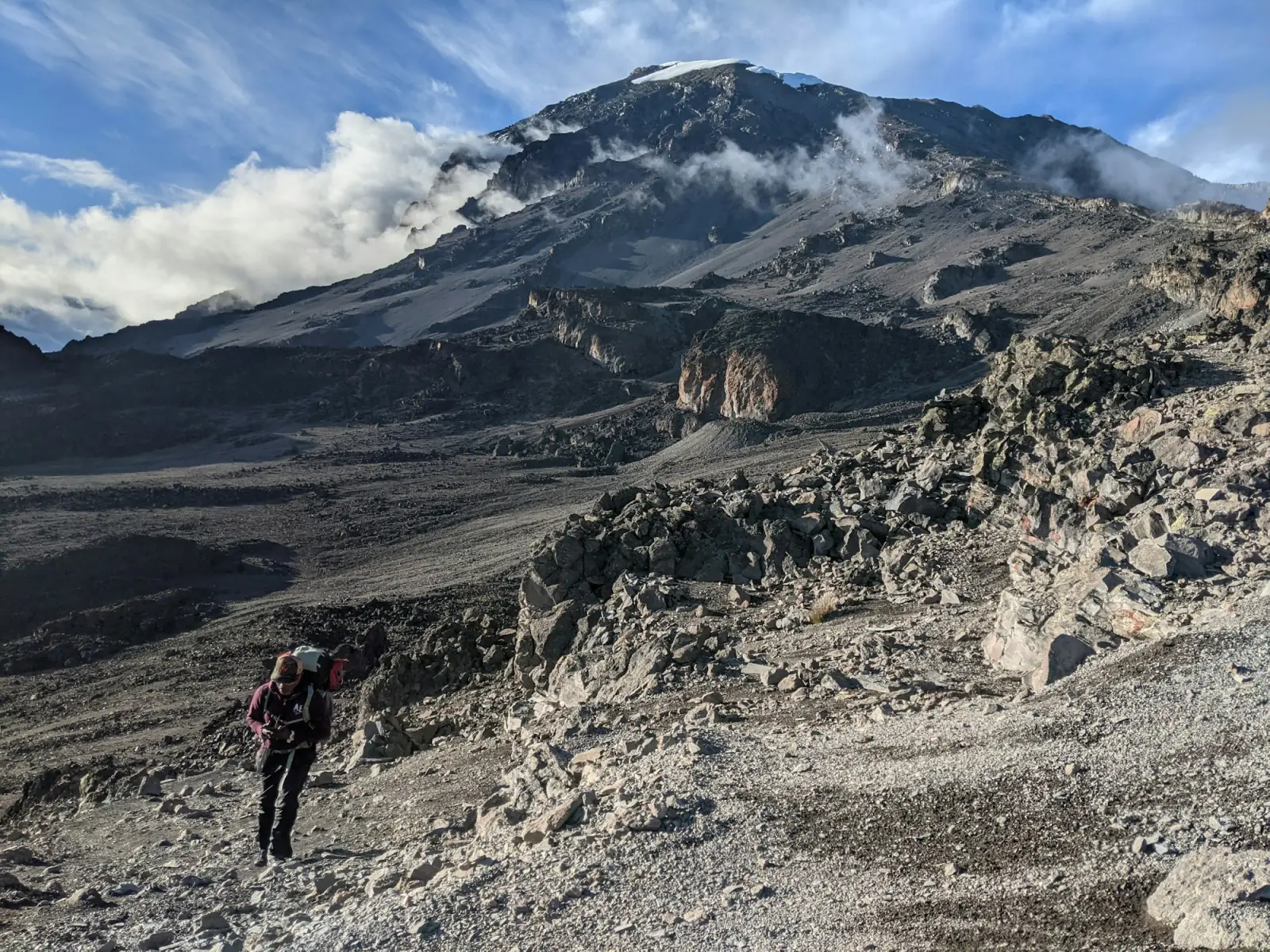
Kilimanjaro is at its warmest and clearest, with more snow on the summit than in the middle of the year. A very good time to climb.
March
The first half is often still excellent and prices have not yet risen. The long rains usually arrive in the second half of the month. Early March is one of the best-value weeks in the calendar if you are willing to accept some uncertainty.
April – May: the long rains
The wettest months. Roads in the parks become difficult, some camps close entirely, and the rainforest section of Kilimanjaro turns into a mudbath. In exchange the country is spectacularly green, the light is dramatic, birdlife is at its peak, and prices fall by a third or more.
We are happy to run safaris through this period for travellers who understand the trade-off. We would generally steer you away from climbing.
June
The rains taper off and the dry season begins. The herds start moving north-west towards the Grumeti River. A quietly excellent month — dry weather without full high-season crowds or prices.
July – August
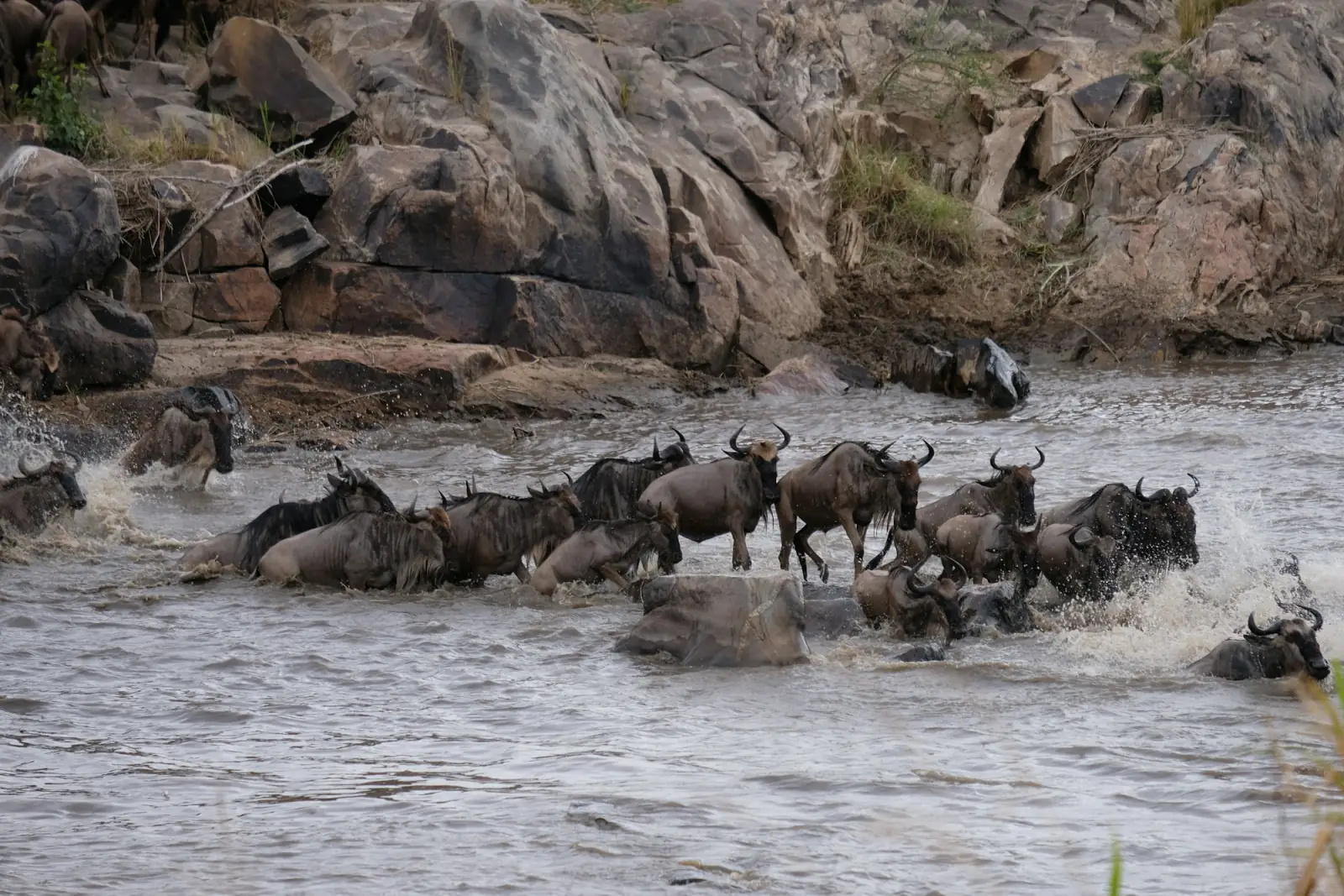
Peak season. Reliably dry, cool in the mornings, and the wildlife concentrates around permanent water, which makes game viewing straightforward. The migration reaches the northern Serengeti and the Mara River crossings, and Kilimanjaro is at its busiest.
Book six to nine months ahead for these months. Camps in the northern Serengeti sell out first.
September – October
Our own favourite window. The weather is as good as August, the herds are still in the north, and the crowds thin noticeably through October. Zanzibar is dry, clear and calm.
November: the short rains
Short, sharp afternoon storms rather than all-day rain — usually an hour or two that clears the air and leaves the evening beautiful. The migration turns south. Prices drop, parks empty out, and game viewing stays good. Genuinely underrated.
December
The first half is quiet and green and often excellent value. From around the 20th, high season prices return for the holidays and everything books up. The herds are back on the southern plains by the end of the month.
Climbing Kilimanjaro specifically
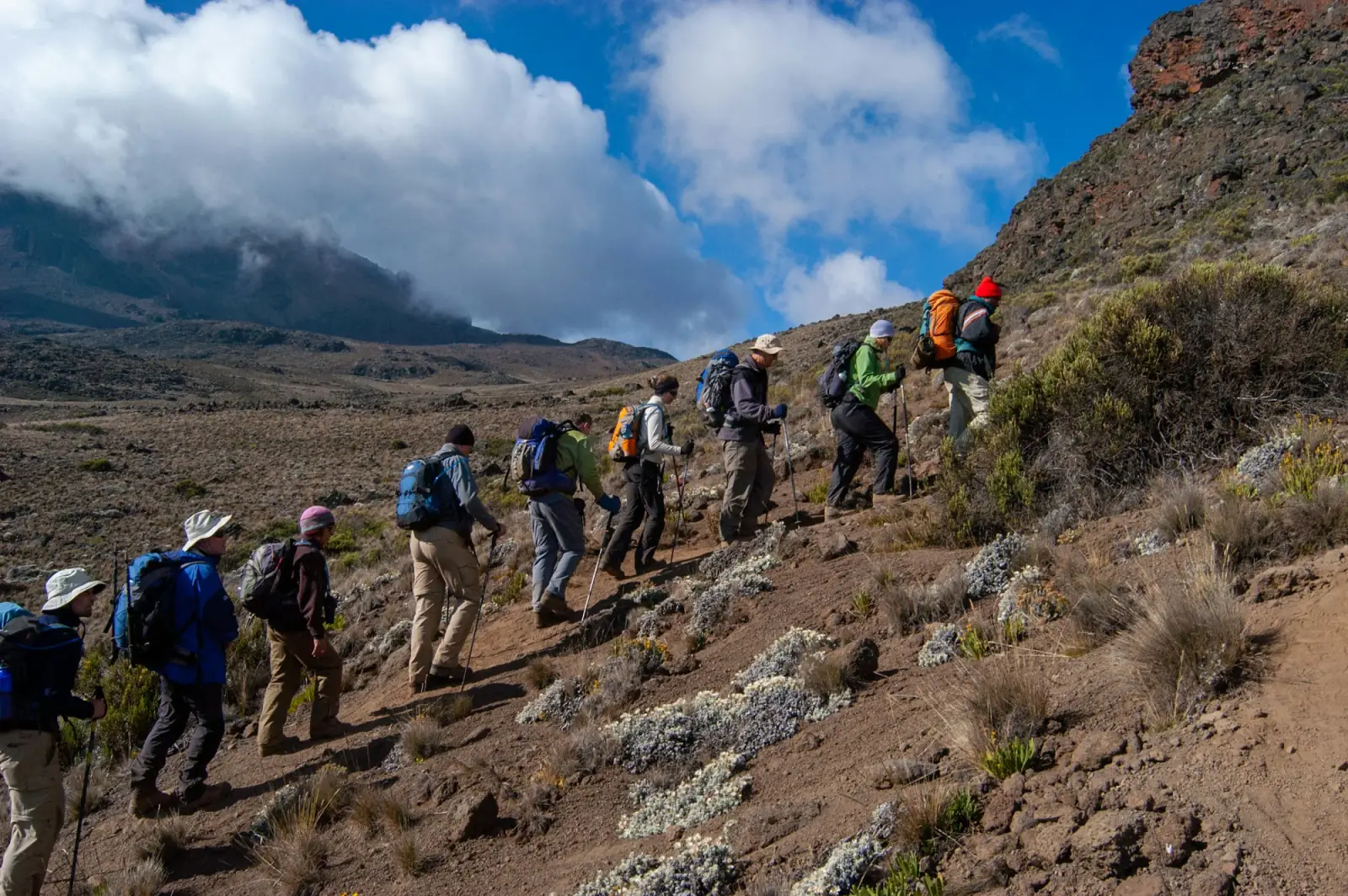
Two windows: January to mid-March and June to October. January and February are warmer with better summit visibility. June to October is cooler and drier but busier. Full moon dates are worth checking — a clear night with a full moon makes summit night noticeably easier, and those dates book out first.
Zanzibar specifically
June to October is dry and pleasant. December to February is hotter and also excellent. Avoid April and May, when many beach hotels close. Note that the island's rains do not perfectly match the mainland's, so a green season on safari does not automatically mean a wet week on the coast.
So when should you go?
If you can travel any time and budget is not the constraint: late June, or September into October. If you want the best value and do not mind some rain: March, or November. If you want predators above all: February.