Safari
Tanzania wildlife: the Big Five and the ones worth more of your time
What you will see in Tanzania's northern parks, where each species is most reliably found, and why the Big Five is a poor way to plan a safari.
The Big Five is a hunting term. It was coined to describe the five animals most dangerous to shoot on foot, not the five most interesting to watch — and treating it as a checklist is one of the quickest ways to have a worse safari than you should.
That said, people ask, so here is what you will see in Tanzania's northern parks, where each animal is most reliably found, and what deserves more of your attention than it usually gets.
The Big Five
Lion
Common and easily seen across the Serengeti, Ngorongoro and Tarangire. The Serengeti holds one of the largest lion populations anywhere, and prides here are large — twenty animals is not unusual. Lake Manyara is famous for lions that rest in trees, though sightings there are far less reliable than the reputation suggests.
African elephant
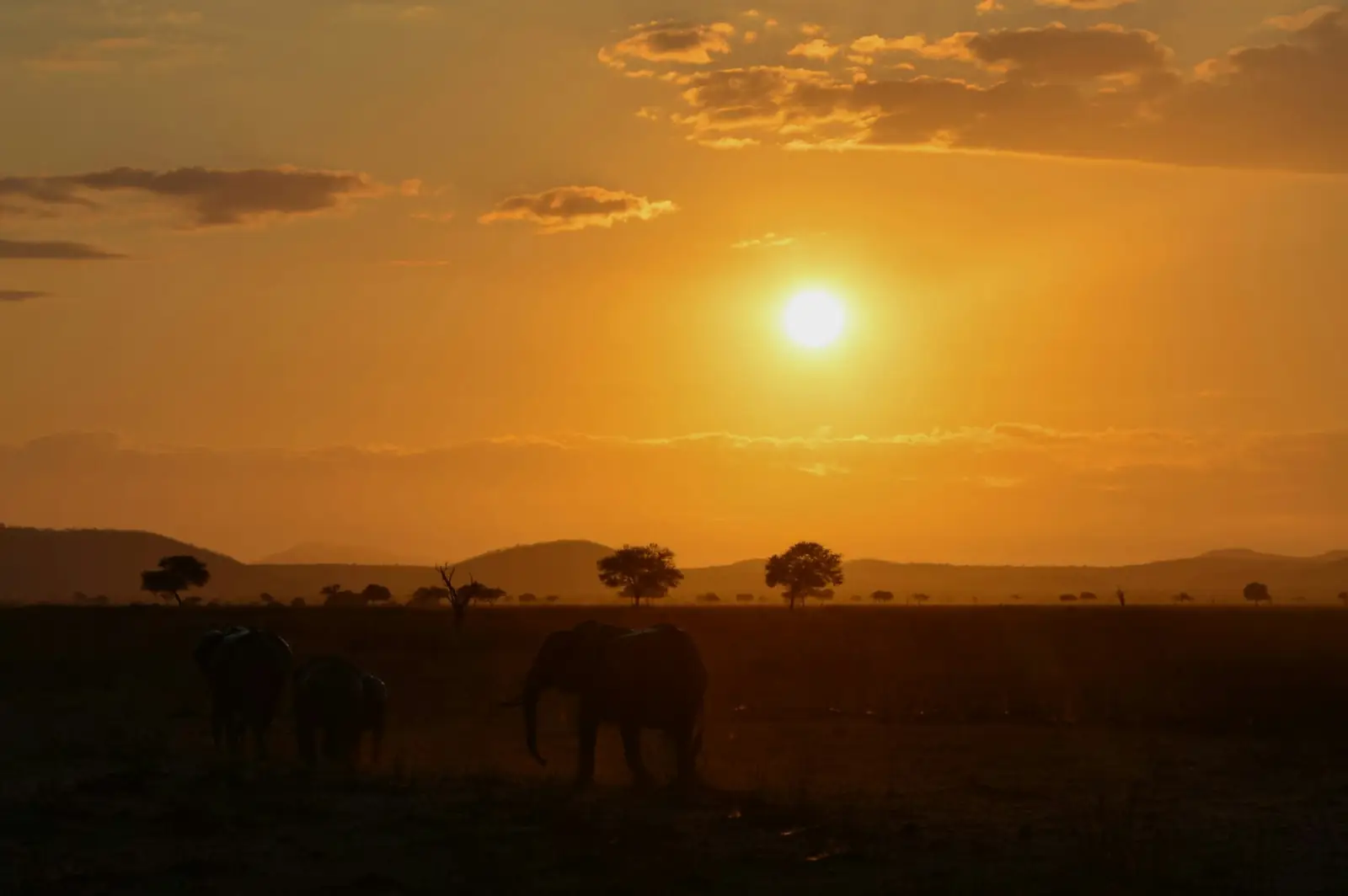
Tarangire is elephant country. In the dry season, from June to October, herds of several hundred concentrate along the Tarangire River, and it is among the best elephant viewing in Africa. Also common in the Serengeti and the Ngorongoro Crater.
Cape buffalo
Abundant, and consistently underrated. Large herds are easy to find in the crater and across the Serengeti. Old solitary bulls — "dagga boys" — are among the most genuinely dangerous animals on the continent.
Leopard
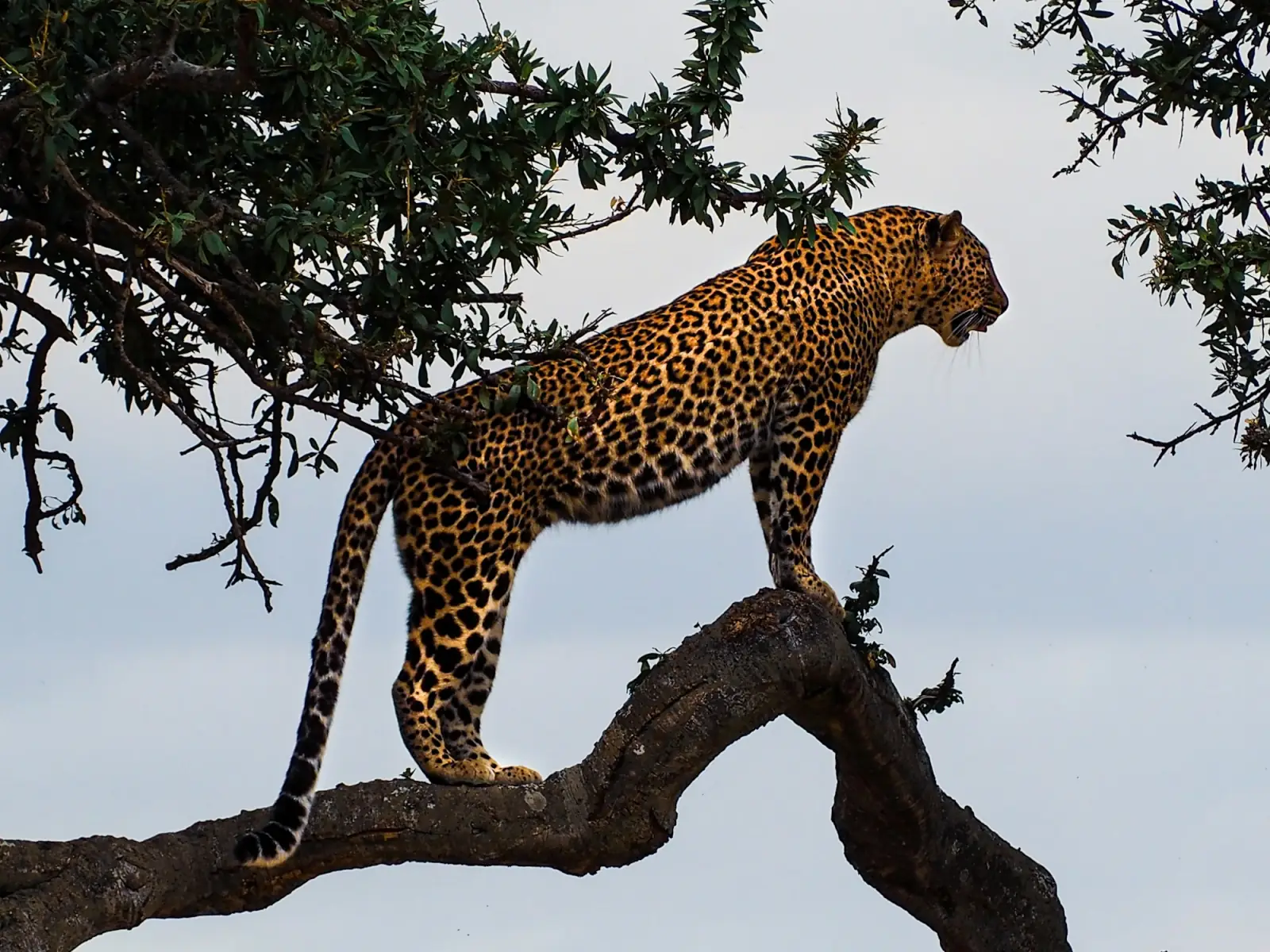
The hard one. Solitary, nocturnal and superbly camouflaged. Your best chance is the Seronera Valley in the central Serengeti, where leopards drape themselves along the branches of sausage trees through the middle of the day. Expect to work for it, and take a guide who knows the individual trees.
Rhinoceros
The rarest sighting on the northern circuit. A small population of black rhino lives in the Ngorongoro Crater, and this is realistically your only chance of seeing one in northern Tanzania. They are usually distant. Bring binoculars and adjust your expectations.
The animals worth more of your time
Cheetah
Better viewing than leopard and, for many people, more rewarding. The open short-grass plains of the southern and central Serengeti are ideal cheetah country, and because they hunt in daylight you have a genuine chance of watching a chase.
Giraffe
Tanzania's national animal, and the Masai giraffe found here is the largest subspecies in the world. So common that people stop photographing them by day three — which is a shame, because watching one drink is one of the strangest things in nature.
Spotted hyena
Wrongly written off as scavengers. Hyenas are formidable hunters that kill a substantial share of their own food and live in complex matriarchal clans. The crater has a famously dense population and the lion–hyena interactions there are extraordinary.
Wild dog
Endangered, wide-ranging and hard to find, but present. Seeing a pack hunt is arguably the single most exciting thing on offer in East Africa. Ask your guide about recent sightings rather than counting on it.
Birds
Over 1,100 species. Even if you have never given birds a moment's thought, the lilac-breasted roller, the grey crowned crane, the secretary bird and the flamingo flocks of Lake Manyara will change your mind by the end of the week.
Where to go for what
- Big cats: Serengeti, especially the Seronera Valley.
- Elephant: Tarangire, June to October.
- Rhino: Ngorongoro Crater — the only realistic option.
- Highest density of everything: Ngorongoro Crater.
- Flamingos and birds: Lake Manyara and the crater's soda lake.
- Walking among wildlife: Arusha National Park, with an armed ranger.
How to see more
Go out at dawn and stay out until the gates close. Sit still at a waterhole for an hour instead of driving between sightings. Ask your guide what they are looking at rather than what they have found. And put the camera down occasionally — the best moments on safari tend to be the ones nobody photographs.